The Link Between Gut Health and Brain Health You Should Know
Gut health and brain health are more connected than most people realize, and the science behind this link could change how you eat.
Gut health and brain health are tied together far more closely than most of us were ever taught in school. For decades, doctors treated digestion and mood as separate systems, one handled by a gastroenterologist and the other by a psychiatrist. That view has quietly fallen apart. Researchers now describe the gut and brain as partners in an ongoing conversation, one that happens every minute of every day, whether you notice it or not.
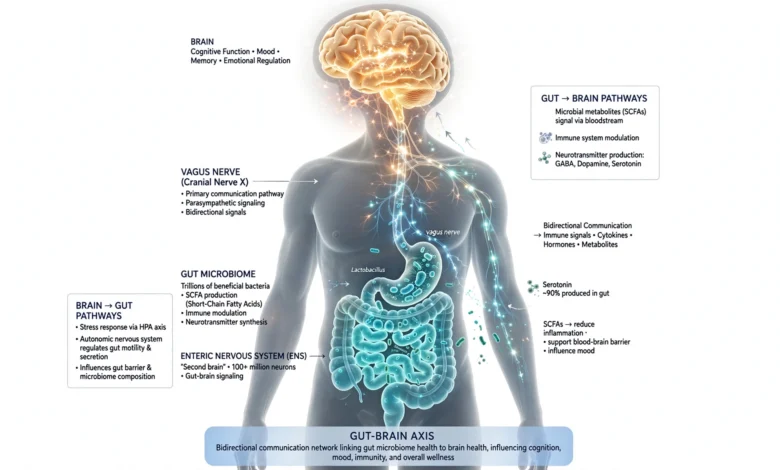
This conversation runs through nerves, hormones, immune cells, and trillions of bacteria living in your intestines. Scientists call this system the gut-brain axis, and it helps explain things that used to seem like coincidences: why anxiety upsets your stomach, why a bad meal can leave you foggy and irritable, and why some people with irritable bowel syndrome also struggle with depression.
The gut microbiome and brain function are so intertwined that changes in one tend to show up in the other. A stressful week can throw off your digestion. A diet heavy in sugar and processed food can leave you feeling anxious or low. This isn’t a coincidence or an old wives’ tale. It’s biology.
In this article, we’ll walk through what the gut-brain connection actually is, what current research says about it, and what you can realistically do to support both your digestive health and your mental clarity, starting today.
What Is the Gut-Brain Connection?
The gut-brain connection refers to the two-way communication network linking your gastrointestinal tract and your central nervous system. It isn’t a figure of speech. Your gut has its own nervous system, sometimes nicknamed the “second brain,” made up of over 100 million nerve cells lining your digestive tract. This network, called the enteric nervous system, can operate independently, but it also stays in constant contact with your actual brain.
This relationship matters because it means digestive problems and brain-related symptoms often show up together. It also means that improving one side of the equation can genuinely help the other.
The Vagus Nerve: The Direct Line
The vagus nerve is the longest cranial nerve in the body, and it runs directly from your brainstem to your gut. Think of it as a two-lane highway. Signals travel from the brain down to the digestive system, controlling things like gut motility and acid production. But traffic also flows the other way. Sensory information from the gut, including signals generated by your microbiome, travels up the vagus nerve to influence mood, stress response, and even memory.


Studies on this pathway have found that stimulating the vagus nerve can reduce symptoms of depression in some patients, which is part of why researchers are so interested in the gut as a target for mental health treatment.
Neurotransmitters Made in the Gut
Here’s something that surprises a lot of people: your gut produces neurotransmitters, the same chemical messengers your brain uses to regulate mood. An estimated 90-95% of the body’s serotonin, often called the “feel-good” chemical, is made in the gastrointestinal tract, not the brain. Your gut bacteria also help produce GABA, a neurotransmitter that calms nervous system activity and reduces feelings of anxiety.
This doesn’t mean gut-produced serotonin flows straight into your brain and lifts your mood on command. The relationship is more indirect, working through nerve signaling and immune pathways. But it does mean the health of your gut lining and the balance of bacteria living there play a real role in how these chemicals get made and regulated in the first place.
How Your Microbiome Shapes Your Mood
Your gut microbiome is home to trillions of bacteria, viruses, and fungi, and this community does far more than help digest food. It actively communicates with your immune system and nervous system, shaping inflammation levels, hormone activity, and even the structure of your brain during early development.
Short-Chain Fatty Acids and Brain Function
When beneficial gut bacteria break down fiber, they produce compounds called short-chain fatty acids, or SCFAs. These molecules do a lot of quiet, behind-the-scenes work. They help maintain the gut lining, reduce inflammation, and can cross into the bloodstream to influence brain function, including how the brain regulates stress hormones.
Research on the microbiota-gut-brain axis has linked reduced SCFA production to higher inflammation and worse outcomes in stress-related conditions, which is one reason fiber intake keeps coming up as a simple, practical lever for supporting mental wellness.
The Gut Microbiome and Anxiety and Depression
A growing body of research has found measurable differences in gut bacteria between people with depression or anxiety and those without. In several studies, people with depression showed lower levels of certain beneficial bacteria strains and higher levels of bacteria associated with inflammation.
This doesn’t prove that an unhealthy gut causes depression on its own. Genetics, environment, and life circumstances all play a role. But the correlation is strong enough that researchers at institutions including the Harvard Medical School now treat the gut as a legitimate factor to consider in mental health care, not a fringe idea.
The Science Behind Gut Health and Brain Health
The evidence connecting gut health and brain health has grown substantially over the past decade, moving from animal studies into human clinical research.
Inflammation and the Gut-Brain Axis
One of the clearest mechanisms linking gut and brain health is inflammation. When the gut lining becomes damaged or overly permeable, sometimes referred to informally as “leaky gut,” bacterial byproducts can slip into the bloodstream and trigger an immune response. Chronic low-grade inflammation of this kind has been associated with depression, anxiety, and even cognitive decline.
Your gut bacteria help regulate this process. A diverse, balanced microbiome tends to keep the gut lining intact and inflammation in check. An imbalanced one, often called dysbiosis, can do the opposite.
What Research Says About Gut Bacteria and Cognitive Decline
Beyond mood, scientists are studying whether gut bacteria play a role in long-term brain aging. A 2025 review published through the National Institutes of Health examined how the gut microbiome may influence conditions such as Alzheimer’s disease, noting that microbial imbalances have been observed alongside markers of neurodegeneration, even though multiple other factors, including genetics, also contribute. You can read more about this research through the National Center for Biotechnology Information.
This is still an emerging field, and researchers are careful not to overstate the findings. But the direction of the evidence is consistent: a healthier gut environment appears to correlate with better long-term cognitive outcomes.
Signs Your Gut Health Might Be Affecting Your Brain
It isn’t always obvious that digestive issues are connected to how you feel mentally. Here are some common signs worth paying attention to:
- Frequent bloating, gas, or irregular bowel movements paired with low mood or anxiety
- Brain fog or trouble concentrating that seems to worsen after certain meals
- Increased anxiety or irritability during flare-ups of digestive conditions like IBS
- Fatigue that doesn’t improve with sleep, especially alongside digestive discomfort
- New or worsening food sensitivities that coincide with mood changes
- Skin issues (like eczema or acne) that flare up alongside stress and digestive upset
None of these signs are a diagnosis on their own. But if several of them sound familiar, it may be worth looking at your gut health as part of the bigger picture, ideally with the help of a doctor or registered dietitian.
How to Improve Gut Health for Better Brain Health
The encouraging part of all this research is that the gut-brain connection is something you can actually influence through everyday habits. None of these steps require anything extreme.
1. Eat Fermented and Fiber-Rich Foods
Fermented foods like yogurt, kefir, sauerkraut, and kimchi introduce live beneficial bacteria into your gut. Fiber, found in vegetables, fruits, legumes, and whole grains, feeds those bacteria and encourages them to produce the short-chain fatty acids mentioned earlier. Aim for variety here. A wide range of plant foods tends to support a more diverse microbiome than eating the same few “healthy” foods on repeat.
2. Consider Probiotics and Prebiotics
Probiotics are live beneficial bacteria, usually found in supplements or fermented foods. Prebiotics are the fiber-based compounds that feed those bacteria. Some clinical trials have found that certain probiotic strains, sometimes referred to as “psychobiotics,” can modestly reduce symptoms of anxiety and low mood. Results vary by strain and individual, so it’s worth talking to a healthcare provider before starting a new supplement, especially if you’re managing a diagnosed condition.
3. Manage Stress Deliberately
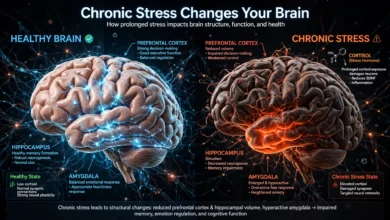
Because the gut-brain axis runs in both directions, chronic stress doesn’t just affect your mind. It changes gut motility, alters the microbiome, and can weaken the gut lining over time. Regular practices like walking, breathing exercises, journaling, or simply stepping away from screens for a portion of the day can measurably lower stress hormones and, over time, support a healthier gut environment.
4. Prioritize Sleep
Sleep and gut health influence each other more than people realize. Poor sleep has been shown to reduce microbial diversity, and an imbalanced gut can, in turn, disrupt sleep quality through its effect on hormone regulation. Aiming for consistent sleep and wake times tends to help both systems more than any single supplement.
5. Limit Processed Foods and Unnecessary Antibiotic Use
Diets high in ultra-processed foods and added sugar have been linked to reduced microbial diversity and increased inflammation. Antibiotics, while sometimes necessary, can also wipe out beneficial bacteria along with harmful ones. This isn’t a call to avoid antibiotics when you genuinely need them, but it’s worth discussing unnecessary or repeated courses with your doctor, and supporting your gut with fiber and fermented foods during recovery.
The Gut-Brain Connection and Long-Term Brain Health
Beyond day-to-day mood, researchers are increasingly interested in what the gut-brain axis means for brain health as we age. Ongoing studies are examining whether supporting a diverse, well-balanced microbiome earlier in life could reduce the risk of cognitive decline later on.
While it’s too early to call gut health a guaranteed protective factor against conditions like dementia, the consistent presence of gut-related markers in neurodegenerative research suggests it deserves a place in any serious conversation about long-term brain health, alongside more established factors like exercise, sleep, and cardiovascular health.
This is part of why more clinicians are starting to ask about digestive symptoms during mental health visits, and why some mental health treatment plans now include dietary guidance as a complementary piece, not a replacement for therapy or medication, but a genuine addition to it.
Conclusion
The link between gut health and brain health is no longer a fringe theory. It’s an active, well-documented area of medical research showing that your digestive system and your brain are in constant communication through nerves, hormones, immune signals, and the trillions of bacteria that make up your microbiome. This connection helps explain why stress upsets your stomach, why certain foods affect your mood, and why researchers are increasingly looking at the gut when studying conditions like anxiety, depression, and even cognitive decline.
The good news is that supporting this connection doesn’t require anything drastic. Eating more fiber and fermented foods, managing stress, sleeping well, and being thoughtful about antibiotic use can all meaningfully support both your gut and your brain over time. Paying attention to this relationship isn’t just about digestion. It’s a genuine, science-backed piece of taking care of your overall mental and physical health.