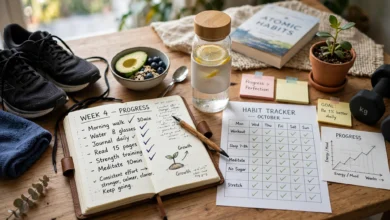
10 Small Daily Habits That Lead to Massive Personal Growth
Small daily habits shape who you become. Discover 10 practical routines that build confidence, focus, and lasting personal growth.

Most people think transformation requires a big leap: a new job, a move to another city, a total overhaul of everything they do. But that’s rarely how real change happens. Small daily habits are the quiet force behind almost every meaningful shift in a person’s life, and they work precisely because they don’t ask for heroics. A five-minute journaling session, a short walk, ten pages of a book, these things feel too small to matter on any single day. Stacked over months, though, they rewire how you think, work, and show up for yourself.
This article walks through ten habits that, practiced consistently, compound into massive personal growth. None of them require a dramatic lifestyle change. What they require is repetition. Behavioral research has shown that habits form through consistent, small-scale repetition rather than willpower alone, which is exactly why the tiny stuff matters more than the big gestures. Whether you’re trying to build confidence, sharpen your focus, or simply feel more in control of your day, these habits give you a realistic starting point. Pick one, practice it for a couple of weeks, then add another. That’s the whole strategy, and it works.
1. Start Your Morning With Intention, Not Your Phone
The first few minutes after waking set the tone for everything that follows. Reaching for your phone immediately hands your attention to other people’s priorities before you’ve had a chance to set your own.
Instead, try:
- Waking up ten to fifteen minutes earlier than you need to
- Sitting quietly with a coffee or tea before checking any screen
- Writing down your top one to three priorities for the day
- Taking a few slow breaths to settle your mind before the noise starts
This isn’t about becoming a rigid “5 AM club” person. It’s about giving yourself a buffer between sleep and the demands of the day, so you start on your own terms rather than reacting to someone else’s message, notification, or headline.
Why This Habit Builds Personal Growth
When you control the first few minutes of your day, you build a sense of agency that carries into everything else. People who protect their mornings tend to report lower stress and better focus by midday, largely because they aren’t starting from a reactive state.
2. Practice Daily Reflection or Journaling
Reflection turns experience into insight. Without it, you can live through the same lesson a dozen times and never actually learn it.
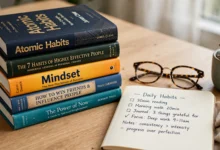

A simple end-of-day journaling habit might include:
- What went well today?
- What was harder than it needed to be?
- What will I do differently tomorrow?
You don’t need elaborate prompts or a fancy notebook. Three sentences a night is enough to start noticing patterns in your behavior, mood, and decisions.
Turning Reflection Into Growth
Journaling works because it forces you to slow down and look at your day objectively instead of just living through it on autopilot. Over weeks, this habit sharpens self-awareness, one of the most underrated skills in personal development.
3. Read for at Least 15–20 Minutes a Day
Reading remains one of the most reliable ways to expand how you think. It doesn’t matter whether it’s fiction, a business book, or a long-form article, the act of sitting with someone else’s ideas for a sustained stretch of time builds focus and vocabulary in a way that scrolling never will.
Ways to build this habit:
- Keep a book on your nightstand instead of your phone
- Read during a commute, lunch break, or right before bed
- Set a modest goal like one chapter a day instead of a page count you’ll dread
The Long-Term Payoff
Consistent readers tend to develop broader perspectives and better problem-solving skills because they’re regularly exposed to ideas outside their usual bubble. This is one of the simplest small daily habits with an outsized return.
4. Move Your Body Every Day
You don’t need a gym membership or an hour-long workout to benefit from daily movement. What matters more is consistency.
Options that fit almost any schedule:
- A 20-minute walk outside
- A short bodyweight routine at home
- Stretching for ten minutes before bed
- Taking the stairs instead of the elevator
According to the World Health Organization, regular physical activity improves mood, sleep quality, and cognitive function, benefits that extend directly into how clearly you think and how well you handle stress.
Movement and Mental Clarity
Physical activity isn’t just about fitness. It regulates mood-related brain chemistry and improves sleep, both of which directly affect your ability to focus, make decisions, and stay emotionally steady throughout the day.
5. Practice Gratitude Consistently
Gratitude sounds like a soft, feel-good idea, but it has a measurable effect on mindset. Naming a few specific things you’re grateful for shifts your attention away from what’s missing and toward what’s already working.
A simple version of this habit:
- Write down three things you’re grateful for each morning or evening
- Be specific rather than generic (“the coffee my partner made me” instead of “coffee”)
- Include people, not just circumstances
Why It Matters for Growth
Gratitude practices have been linked to lower stress and greater life satisfaction in psychological research, including studies published through the American Psychological Association. A mind that regularly notices what’s going right is more resilient when things go wrong.
6. Set Boundaries and Learn to Say No
Growth isn’t only about adding good habits. It’s also about removing what drains you. Saying yes to every request, every meeting, and every favor spreads your energy so thin that nothing gets your best effort.
Practical ways to build this habit:
- Pause before automatically agreeing to something
- Ask yourself if the request aligns with your current priorities
- Practice short, polite refusals: “I can’t take that on right now”
The Growth Behind Boundaries
Protecting your time and energy is one of the most underrated self-improvement habits. People who set clear boundaries report more focus, less resentment, and more energy for the things that actually matter to them.
7. Learn Something New Every Day
Curiosity keeps the mind flexible. This doesn’t mean formal study every single day, it means staying open to new information in small, manageable doses.
Simple ways to practice this:
- Listen to a podcast episode on a topic outside your usual interests
- Watch a short educational video during a break
- Ask a colleague or friend a genuine question about their expertise
- Try a new skill for ten minutes, even badly
Compounding Knowledge Over Time
A growth mindset, the belief that abilities can be developed through effort, is built through exactly this kind of small, repeated exposure to new ideas. Over a year, ten minutes of daily learning adds up to more than sixty hours of intentional growth.
8. Prioritize Quality Sleep
No habit on this list works well if you’re running on four or five hours of sleep. Sleep is when your brain consolidates memory, regulates emotion, and repairs itself physically.
Habits that support better sleep:
- Set a consistent bedtime, even on weekends
- Avoid screens for 30 minutes before bed
- Keep your bedroom cool, dark, and quiet
- Limit caffeine intake in the afternoon and evening
Sleep as the Foundation of Growth
Every habit on this list, focus, mood, discipline, decision-making, depends on a well-rested brain. Treating sleep as a priority rather than an afterthought is one of the most practical daily habits for personal growth you can build.
9. Practice Focused, Single-Tasking Work
Multitasking feels productive, but it usually isn’t. Constantly switching between tasks fragments attention and makes even simple work take longer.
To build a single-tasking habit:
- Pick one task and work on it for a set block of time (20–50 minutes)
- Silence notifications during that block
- Take a short break before switching to the next task
- Use a visible timer to stay accountable to the block
Why Focus Fuels Growth
Deep, undistracted work builds skill faster than scattered effort ever could. The ability to concentrate on one thing at a time is becoming rarer, which makes it more valuable, both professionally and personally.
10. Review Your Progress Weekly
Daily habits are powerful, but without periodic review, it’s easy to drift without noticing. A short weekly check-in keeps you honest about what’s working and what needs adjusting.
A simple weekly review might cover:
- Which habits did I stick with this week?
- Where did I struggle, and why?
- What’s one small adjustment I can make next week?
- What am I proud of from the last seven days?
Turning Habits Into Long-Term Growth
This weekly habit acts as the glue that holds all the others together. It’s where you notice patterns, celebrate small wins, and course-correct before a slipping habit turns into an abandoned one.
How to Actually Stick With These Habits
Knowing these habits is one thing. Sticking with them is another. A few practical tips:
- Start with one habit, not all ten at once
- Attach new habits to existing routines (journal right after brushing your teeth, for example)
- Track your streak with a simple checklist or app
- Expect setbacks and restart without guilt instead of quitting entirely
- Keep the habit small enough that skipping it feels harder than doing it
Personal growth isn’t about perfection. It’s about showing up more often than not, and forgiving yourself quickly when you don’t.
Conclusion
Small daily habits are the real engine behind personal growth, not sudden bursts of motivation or dramatic life changes. Starting your morning with intention, reflecting honestly, moving your body, reading consistently, practicing gratitude, setting boundaries, learning something new, sleeping well, focusing deeply, and reviewing your progress each week, together, these ten habits build a foundation that compounds over time.
None of them require perfection or a complete lifestyle overhaul. What they require is consistency, patience, and a willingness to keep showing up, one ordinary day at a time, until the ordinary days add up to something extraordinary.