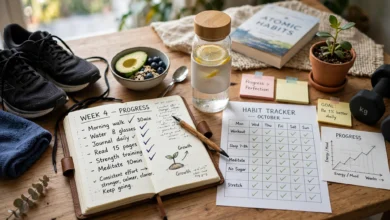
How to Improve Yourself Without Burning Out
Improve yourself without burning out using realistic strategies for sustainable growth, better habits, and long-term motivation that actually lasts.

If you’ve ever started a new routine full of energy, only to feel exhausted and defeated three weeks later, you already know what happens when self-improvement turns into self-punishment. Wanting to grow is healthy. Wanting to grow perfectly, all at once, on every front of your life, is a fast track to burnout. The idea that you need to overhaul your habits, mindset, career, and health simultaneously is one of the biggest myths in personal development, and it’s the reason so many people quit before they see real results.
Learning how to improve yourself without burning out isn’t about doing less because you’re lazy. It’s about working with your actual capacity instead of against it. Sustainable growth is slower, but it sticks. It respects rest, allows for bad days, and treats setbacks as data instead of failure. This article breaks down why burnout happens during self-improvement, the warning signs to watch for, and practical, research-backed strategies you can use to build habits that last without wrecking your energy or mental health along the way.
What Does It Mean to Improve Yourself Without Burning Out
Improving yourself without burning out means pursuing personal growth at a pace your body and mind can actually sustain. It’s the difference between sprinting and pacing yourself for a marathon. Both get you moving forward, but only one of them lets you keep going when things get hard.
This approach usually involves:
- Setting goals that fit your current life, not an idealized version of it
- Building in recovery time as part of the plan, not an afterthought
- Measuring progress over weeks and months instead of days
- Accepting that motivation will fluctuate, and building systems that don’t depend on it
The goal isn’t to do less. It’s to do things in a way you can repeat consistently, because consistency is what actually produces change.
Why Self-Improvement Often Leads to Burnout
The All-or-Nothing Trap
A lot of people approach self-improvement like a switch they can flip. One day they’re not exercising, journaling, meditating, or reading, and the next day they try to do all four, every single day, indefinitely. This kind of dramatic shift is exciting for about two weeks. Then life gets in the way, one day gets missed, and the whole plan falls apart because it was built on perfect execution instead of realistic habits.
Comparison and Social Media Pressure
Scrolling through curated routines, 5 a.m. wake-up videos, and “day in the life” content can quietly convince you that you’re behind. This constant comparison pushes people to adopt routines that don’t match their energy levels, schedules, or personalities, which sets them up to burn out faster than if they’d built something more personal from the start.


Ignoring Rest as Part of Growth
Many people treat rest as the opposite of progress instead of a requirement for it. According to the Mayo Clinic, chronic stress without adequate recovery is one of the leading contributors to burnout, affecting both physical health and motivation. When rest is treated as optional, the body eventually forces a slowdown through fatigue, illness, or loss of motivation.
Signs You’re Pushing Too Hard
Before burnout fully sets in, there are usually warning signs. Recognizing them early makes it much easier to adjust course before you have to stop altogether.
- Dreading habits or routines that used to feel exciting
- Feeling guilty on days you rest instead of feeling recovered
- Constantly comparing your pace to other people’s progress
- Physical symptoms like headaches, poor sleep, or low energy that weren’t there before
- Losing interest in things unrelated to your goals, like hobbies or time with friends
- Feeling like you’re always “behind” no matter how much you accomplish
If two or more of these sound familiar, it’s worth slowing down before pushing forward.
How to Improve Yourself Without Burning Out
1. Set Realistic, Specific Goals
Vague goals like “get healthier” or “be more productive” don’t give you anything concrete to work toward, which makes it easy to either overdo it or give up. Instead, choose specific, measurable actions. “Walk for 20 minutes, four days a week” is something you can actually track and adjust. Specific goals also make it easier to notice progress, which keeps motivation alive longer than abstract intentions ever will.
2. Focus on One Habit at a Time
Trying to build five new habits at once splits your willpower and attention so thin that none of them get a fair shot. Pick one habit, give it several weeks to become automatic, and then add the next one. This is slower on paper, but it’s far more effective in practice because each new habit gets your full focus instead of competing for scraps of energy.
3. Build in Recovery Time
Recovery isn’t a reward you earn after working hard. It’s part of the process that makes continued effort possible. Schedule rest days, lighter weeks, or slower months the same way you’d schedule a workout or a deadline. Treating recovery as a fixed part of the plan, rather than something you fit in if there’s time left over, is one of the most effective ways to avoid burnout while still making progress.
4. Track Progress, Not Perfection
Perfection is a moving target that guarantees disappointment. Progress, on the other hand, is measurable and encouraging. Instead of asking “did I do this perfectly today,” ask “am I doing this more consistently than I was a month ago.” Keeping a simple log, whether it’s a notebook, spreadsheet, or app, helps you see the bigger trend instead of fixating on individual bad days.
5. Use the 80/20 Rule
Not every habit or goal deserves equal effort. The 80/20 principle suggests that roughly 80% of your results come from about 20% of your efforts. Identify which few habits actually move the needle for you, whether that’s sleep, movement, or a specific work routine, and put your energy there first. Trying to optimize everything at once spreads your effort too thin to make real progress on what matters most.
6. Protect Your Sleep
Sleep affects nearly every part of self-improvement, from mood regulation to decision-making to physical recovery. Skimping on sleep to squeeze in more habits usually backfires, because tired brains make worse decisions and have less willpower to stick with new routines. The American Psychological Association notes that consistent, quality sleep plays a direct role in stress management and overall resilience, both of which are essential for long-term personal growth.
7. Reassess Your “Why” Regularly
Goals that made sense six months ago may not fit who you are today. Set aside time every few weeks to ask whether your current habits and goals still align with what you actually want. This isn’t about quitting the moment something feels hard. It’s about making sure you’re not burning yourself out chasing a goal that no longer matters to you.
Building a Sustainable Self-Improvement Routine
Morning vs Evening Routines
There’s no universally “correct” time of day to work on personal growth. Some people have more willpower and focus in the morning before the day’s demands pile up. Others find they have more mental space in the evening once work and obligations are done. The best routine is the one that fits your natural energy patterns, not the one that looks impressive online.
Weekly Check-ins
A short weekly check-in, even just 10 minutes, can prevent small issues from becoming full burnout. Ask yourself:
- What worked well this week?
- What felt forced or draining?
- Do I need to scale anything back next week?
This regular reflection keeps your routine flexible and responsive instead of rigid and eventually unsustainable.
When to Take a Step Back
Sometimes the most productive thing you can do is pause. If you’re consistently exhausted, irritable, or dreading your own goals, that’s not a motivation problem, it’s a signal that your current pace isn’t sustainable. Taking a short break, scaling back to one core habit, or simply resting for a week doesn’t erase your progress. It protects it. People who build in these pauses tend to stay consistent for years, while those who never slow down often burn out and abandon their goals entirely.
Conclusion
Learning how to improve yourself without burning out comes down to pacing, not intensity. Real, lasting change happens through realistic goals, one habit at a time, built-in recovery, honest progress tracking, and routines that match your actual life instead of someone else’s highlight reel.
Burnout isn’t a sign that you’re not trying hard enough. It’s usually a sign that you’re trying too hard, in too many directions, without enough recovery built in. Slow down, focus on what actually matters, and give yourself permission to grow at a pace you can sustain. That’s what turns short-term effort into lasting change.