Brain Health Foods: 15 Powerful Picks Backed by Science to Boost Memory
Brain health foods backed by science can sharpen memory and slow decline. See which ones actually work and how to eat them daily.
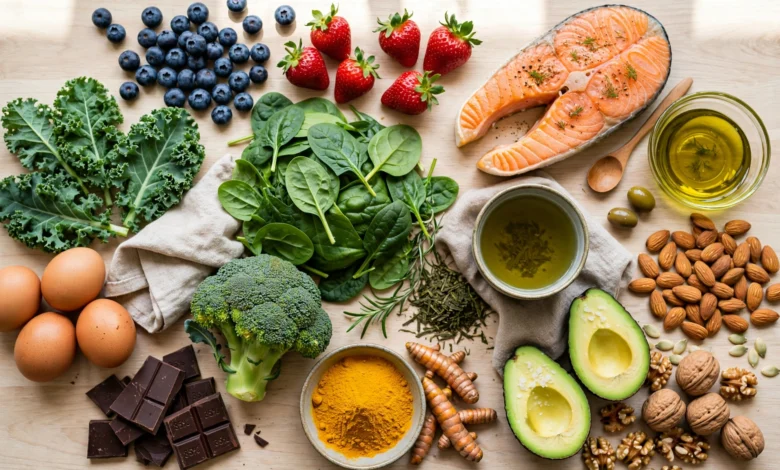
Your brain runs on what you feed it. That’s not a slogan, it’s basic physiology. The brain makes up roughly 2% of your body weight but burns around 20% of your daily energy, and every meal you eat either supports that demand or works against it. Brain health foods have become one of the most searched nutrition topics in the last few years, and for good reason: as more people watch parents or grandparents deal with memory loss, the question “can I actually protect my brain through diet” feels less like wellness talk and more like something worth taking seriously.
The good news is that decades of nutrition research now point to a fairly consistent list of foods that support memory, focus, and long-term cognitive resilience. This isn’t about one miracle ingredient. It’s about a pattern of eating that shows up again and again in studies from institutions like the National Institute on Aging and Harvard Medical School, where people who regularly eat certain foods for brain health tend to have slower rates of cognitive decline and lower dementia risk.
In this article, we’ll walk through the foods with the strongest scientific backing, explain why each one matters for brain function, and show you how to build them into a routine you’ll actually stick to. No fad diets, no supplements you don’t need, just food choices grounded in real research.
What Makes a Food Good for Brain Health?
Before jumping into the list, it helps to understand what researchers are actually looking for when they study brain health foods. Not every “healthy” food earns a spot on this list. The foods that consistently show benefits tend to share a few traits.
- Anti-inflammatory properties. Chronic low-grade inflammation is linked to faster cognitive decline, so foods that calm inflammation tend to support the brain.
- Antioxidant content. The brain is highly vulnerable to oxidative stress because it uses so much oxygen. Antioxidants help neutralize the free radicals that damage brain cells over time.
- Healthy fats. About 60% of the brain is fat, and the type of fat you eat influences the structure of brain cell membranes.
- Micronutrients tied to cognition. Nutrients like vitamin K, folate, choline, and B vitamins are directly involved in memory formation and neurotransmitter production.
- Blood sugar stability. Foods that avoid sharp glucose spikes help protect blood vessels in the brain, which matters because vascular health and cognitive health are closely linked.
With that framework in mind, here’s what the research actually recommends.
The Best Brain Health Foods, According to Science
1. Fatty Fish (Salmon, Mackerel, Sardines, Trout)
Fatty fish sit at the top of nearly every list of foods for brain health, and it’s not hyped up. Salmon, mackerel, sardines, and trout are rich in omega-3 fatty acids, particularly docosahexaenoic acid (DHA), which makes up a large share of the fat in brain cell membranes. A 2023 systematic review found that higher dietary omega-3 intake was associated with a lower risk of dementia and cognitive decline, with DHA showing some of the strongest protective effects.
Brain imaging research from the University of Pittsburgh also found that people who ate baked or broiled fish at least once a week had noticeably greater grey matter volume in brain regions tied to memory and cognition. Interestingly, this benefit showed up even in fish with lower omega-3 content, suggesting the habit of eating fish regularly matters as much as the specific fat content.


How to add it: Aim for at least one to two servings of fatty fish per week. Baking or broiling preserves more of the beneficial fats than deep frying.
2. Leafy Green Vegetables
Kale, spinach, collard greens, Swiss chard, and arugula are loaded with brain-supportive nutrients like vitamin K, lutein, folate, and beta carotene. A widely cited 2018 study found that people who ate about one serving of leafy greens per day had a rate of cognitive decline equivalent to being 11 years younger than those who rarely ate greens.
According to Harvard Health Publishing, leafy greens such as kale, spinach, collards, and broccoli are rich in brain-healthy nutrients like vitamin K, lutein, folate, and beta carotene, and following an overall healthy dietary pattern matters more than relying on any single food.
How to add it: The MIND diet, which we’ll cover shortly, recommends at least six servings of leafy greens per week. Tossing a handful into a smoothie, soup, or omelet is an easy way to hit that target without much extra effort.
3. Berries
Blueberries, strawberries, and blackberries are rich in flavonoids called anthocyanins, compounds shown to reduce inflammation and improve communication between brain cells. Research on blueberries in particular has found associations with slower cognitive aging and improved memory performance in older adults.
How to add it: A cup of mixed berries a few times a week, fresh or frozen, is enough to make a meaningful dietary contribution. Frozen berries retain most of their antioxidant content, so don’t feel like fresh is required.
4. Walnuts and Other Nuts
Nuts are dense in healthy fats, protein, and antioxidants. Walnuts stand out specifically because they contain a plant-based form of omega-3 called alpha-linolenic acid (ALA). A UCLA study linked higher walnut consumption to improved performance on cognitive tests.
How to add it: A small handful, around one ounce, a few times a week is a reasonable target. Add walnuts to oatmeal, salads, or eat them plain as a snack.
5. Olive Oil
Extra virgin olive oil is a cornerstone of the Mediterranean diet and one of the more underrated brain health foods on this list. It’s rich in polyphenols that fight oxidative stress, and its healthy fats help your body absorb fat-soluble vitamins like D, E, and K from other foods. Olive oil also helps stabilize blood sugar after meals, which indirectly supports brain function by reducing inflammation linked to blood sugar spikes.
How to add it: Use extra virgin olive oil as your primary cooking fat and salad dressing base instead of butter or heavily processed vegetable oils.
6. Whole Grains
Oats, brown rice, quinoa, and barley provide a steady release of glucose, the brain’s primary fuel source. Unlike refined carbohydrates, whole grains avoid the sharp blood sugar spikes and crashes that can affect concentration and mood throughout the day. They’re also a source of B vitamins involved in neurotransmitter production.
How to add it: Swap refined grains like white bread and white rice for whole grain versions most days of the week.
7. Eggs
Eggs are one of the richest dietary sources of choline, a nutrient your body uses to produce acetylcholine, a neurotransmitter tied to memory and mood regulation. Research published in the Journal of Nutritional Science found that regular egg intake was associated with a slower rate of memory decline in healthy older adults.
How to add it: One egg most days is generally considered a reasonable, well-tolerated amount for most healthy adults, though you should factor in your overall dietary pattern and any cholesterol concerns with your doctor.
8. Fermented Foods
Yogurt with live cultures, kefir, kimchi, sauerkraut, miso, and tempeh support the gut-brain axis, the communication pathway between your digestive system and your brain. A healthier gut microbiome has been linked to reduced inflammation and improved mood regulation, both of which play a role in long-term cognitive health. Variety matters here because different fermented foods introduce different bacterial strains.
How to add it: Rotate between a few fermented foods rather than relying on just one. A serving of yogurt with breakfast and a spoonful of kimchi or sauerkraut with dinner is an easy way to build variety.
9. Dark Chocolate
Good news if you have a sweet tooth: dark chocolate with at least 70% cocoa content contains flavonoids, caffeine, and antioxidants that support blood flow to the brain and may enhance memory. Milk chocolate doesn’t offer the same benefit since it’s typically high in sugar and lower in cocoa content.
How to add it: A small square or two of high-cocoa dark chocolate a few times a week is enough to enjoy the benefit without overdoing the sugar and calories.
10. Coffee and Tea
Caffeine has repeatedly been linked to improved alertness, mood, and even memory consolidation. A study published in the Journal of Nutrition found that participants with higher caffeine intake scored better on tests of mental function, and researchers at Johns Hopkins found that a caffeine dose taken after a memory task improved next-day recall compared to a placebo.
Tea offers similar benefits along with L-theanine, an amino acid that promotes calm, focused attention. Long-term studies have associated moderate coffee or tea consumption, generally two to three cups of coffee or one to two cups of tea daily, with a lower risk of developing dementia.
How to add it: Stick to moderate intake and be mindful of how caffeine affects your sleep, since poor sleep undermines many of the cognitive benefits caffeine might otherwise provide.
11. Turmeric
Turmeric contains curcumin, a compound studied for its anti-inflammatory and antioxidant properties. According to the National Institute on Aging, foods including blueberries, leafy greens, and curcumin found in turmeric have been studied for their potential cognitive benefit due to anti-inflammatory and antioxidant properties, though researchers note there isn’t yet definitive evidence that any single food prevents cognitive decline on its own.
How to add it: Add turmeric to soups, rice dishes, or curries, and pair it with black pepper, which improves curcumin absorption significantly.
12. Beets
Beets are rich in nitrates, compounds your body converts into nitric oxide, which helps widen blood vessels and improve blood flow, including to the brain. Better cerebral blood flow supports oxygen and nutrient delivery to brain tissue.
How to add it: Roasted beets, beet salads, or beet juice are all reasonable ways to work this vegetable into your diet a few times a week.
13. Avocados
Avocados are rich in monounsaturated fats, the same type of heart-healthy fat found in olive oil. Because vascular health and brain health are closely connected, foods that support healthy blood flow, like avocados, indirectly support cognitive function as well.
How to add it: Add sliced avocado to toast, salads, or eggs a few times a week.
14. Beans and Legumes
Beans, lentils, and chickpeas are staples of both the Mediterranean and MIND diets. They provide fiber, plant-based protein, and B vitamins while helping keep blood sugar stable, which supports steady energy delivery to the brain throughout the day.
How to add it: Aim for a few servings per week in soups, salads, or as a meat substitute in main dishes.
15. Water
It’s easy to overlook, but proper hydration is fundamental to cognitive performance. Even mild dehydration has been shown to affect concentration, short-term memory, and mood. Water should be your default beverage, with coffee and tea as reasonable additions rather than replacements.
How to add it: A simple habit is keeping a water bottle within reach throughout the day rather than waiting until you feel thirsty, since thirst is often a lagging signal.
The MIND Diet: Combining Brain Health Foods Into a Daily Pattern
Individual foods matter, but the strongest research actually points to overall eating patterns rather than isolated ingredients. The MIND diet, short for Mediterranean-DASH Intervention for Neurodegenerative Delay, combines elements of the Mediterranean and DASH diets and specifically targets the brain health foods covered above.
Research from Rush University found that people who followed the MIND diet closely had a 53% reduced rate of Alzheimer’s disease compared to those who didn’t, and even moderate adherence was linked to a 35% reduction. According to the National Institute on Aging, the MIND diet features vegetables, especially green leafy vegetables such as spinach, romaine lettuce, and kale, berries over other fruit, and beans, nuts, and one or more weekly servings of fish.
The MIND diet’s core recommendations include:
- At least six servings of leafy greens per week
- At least one serving of other vegetables daily
- At least two servings of berries per week
- At least three servings of whole grains daily
- Fish at least once a week
- Poultry at least twice a week
- Beans in most meals through the week
- A handful of nuts most days
- Olive oil as the primary cooking fat
- Limited red meat, butter, cheese, fried food, and pastries
It’s worth being honest that not every clinical trial has confirmed the same magnitude of benefit. A more recent randomized trial published in the New England Journal of Medicine found that among participants with a family history of dementia, cognitive outcomes over three years didn’t differ significantly between the MIND diet group and a control group following mild caloric restriction. This doesn’t erase the observational evidence, but it’s a useful reminder that diet is one piece of a larger puzzle that also includes exercise, sleep, and mental engagement.
Foods That Work Against Brain Health
Just as some foods support the brain, others actively work against it. If you’re building a diet around brain health foods, it helps to also limit:
- Ultra-processed foods high in refined sugar and industrial seasoning, which are linked to increased inflammation
- Fried foods, which are often cooked in oils that oxidize easily and contribute to inflammation
- Excess red and processed meat, associated with higher cardiovascular risk, which in turn affects brain blood flow
- Sugary beverages, which cause rapid blood sugar spikes and crashes that can affect focus and mood
- Excess alcohol, which in high amounts is linked to accelerated brain aging and memory problems
None of these need to be eliminated entirely for most people, but treating them as occasional rather than daily choices makes a meaningful difference over time.
Simple Tips to Add Brain Health Foods to Your Daily Diet
Knowing which foods help is one thing. Actually building them into a busy week is another. A few practical strategies:
- Batch cook grains and beans on the weekend so they’re ready to add to meals during the week
- Keep frozen berries and leafy greens on hand so freshness isn’t a barrier
- Swap your cooking oil to olive oil as a low-effort, high-impact change
- Add fish to your grocery list once a week and rotate between salmon, sardines, and mackerel
- Snack on nuts instead of chips or crackers to build in healthy fats without extra thought
- Pair turmeric with black pepper in cooking to improve absorption
- Choose water first, and treat coffee or tea as a deliberate addition rather than your main source of fluids
Small, repeatable habits tend to outperform ambitious short-term diet changes, especially since the research suggests the benefits of brain health foods come from consistency over months and years, not from a single perfect meal.
Conclusion
The science is fairly consistent: no single ingredient will protect your brain on its own, but a diet built around fatty fish, leafy greens, berries, nuts, olive oil, whole grains, and fermented foods gives your brain the raw materials it needs to function well and age more gracefully.
Patterns like the MIND diet show real promise in observational research, even if clinical trials remind us that diet works best alongside other healthy habits like exercise, sleep, and staying mentally active. The most useful takeaway isn’t to chase a perfect list, but to make brain health foods a regular part of how you eat, meal after meal, week after week, since that consistency is where the actual benefit seems to come from.