Blended Family Struggles: 9 Proven Ways Step-Parents Can Build a Stronger Home
Blended family struggles are normal. This practical guide gives step-parents real strategies for discipline, bonding, ex-partners, and trust at home.
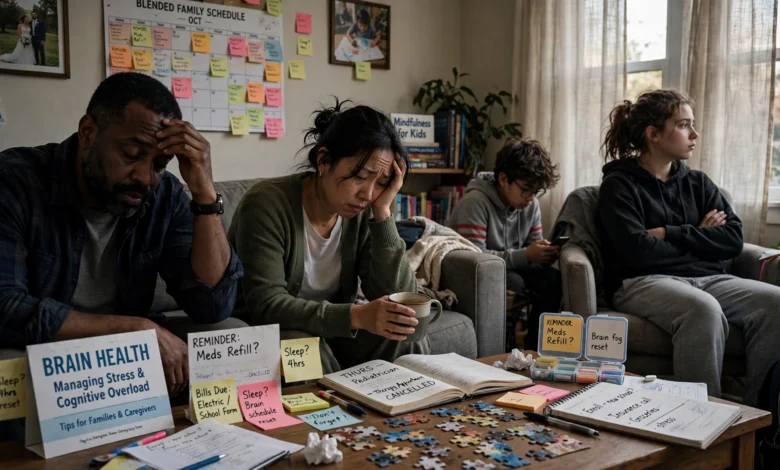
Blended family struggles are among the most common challenges families face today, and they rarely look the way people expect. You fall for someone, you get along with their kids on weekend outings, and then everyone moves under one roof. Suddenly the child who laughed at your jokes won’t make eye contact. Your partner feels caught in the middle. Dinner turns into a negotiation, and you start wondering what you’re doing wrong.
You probably aren’t doing anything wrong. Most stepfamily challenges come from the structure itself, not from anyone being a bad person. Kids are dealing with loss and divided loyalties. Adults bring different house rules, money habits, and parenting styles. An ex-partner may still shape the mood of your home from across town. Put all of that together and some friction is almost guaranteed.
The good news is that these problems are predictable, which means you can prepare for them. Psychologists say a new stepfamily often needs two to four years to settle, so slow progress is still progress.
This guide is for step-parents who want something more useful than “just be patient.” You’ll find the most common blended family problems, why they happen, and nine step-parenting tips you can start using this week. We’ll also cover discipline, co-parenting with an ex, step-sibling rivalry, and how to tell when it’s time to bring in a family therapist.
Why Blended Family Struggles Happen
Most blended family struggles come from a handful of root causes. Once you can name them, the daily conflicts start to make sense and feel a lot less personal.
Kids Are Often Grieving
Every stepfamily starts with a loss. Before you arrived, there was a divorce, a breakup, or a death. Even kids who like you may still hope their parents will get back together, and your presence can feel like proof that it won’t happen. Their coldness is usually about what you represent, not who you are.
Two Households, Two Rulebooks
You and your partner each built your own way of running a home. Bedtimes, screen limits, chores, table manners, and spending habits all differ. When two systems merge overnight, kids notice every inconsistency and adults feel judged. A lot of blended family problems that look like disrespect are really confusion about which rules apply now.


The Step-Parent Role Has No Script
Biological parents earn authority slowly, over years of care. A step-parent shows up in the middle of the story. You’re expected to act like an adult in charge, but you don’t yet have the relationship that makes kids accept that authority. That gap is one of the biggest sources of step-parent stress.
Age Changes How Kids React
A child’s age shapes how they respond to a new family setup. The American Psychological Association’s guide to making stepfamilies work notes that younger adolescents, roughly ages 10 to 14, tend to have the hardest time adjusting. Younger kids are usually more open to a new adult, while older teens are already pulling away from family life in general.
| Age group | Common reaction | What helps most |
|---|---|---|
| Under 10 | More accepting, may test limits | Routine, warmth, simple explanations |
| 10 to 14 | Most resistant, strong loyalty conflicts | Space, respect, low pressure |
| 15 and older | Distant or indifferent | Adult-style respect, an open door |
Knowing where your stepchildren fall on this scale helps you set fair expectations and avoid reading normal developmental behavior as rejection.
Common Blended Family Struggles Step-Parents Face
Every home is different, but the same blended family struggles show up again and again. If you recognize your situation below, you’re in very good company.
Rejection From Stepchildren
This is the one that hurts most. You plan a fun outing and get eye rolls. You say good morning and get silence. Some kids say it outright: “You’re not my mom” or “You can’t tell me what to do.” Rejection from stepchildren is often a test of whether you’ll stick around, or a way to stay loyal to the parent who isn’t there. It rarely means the door is closed for good.
Discipline and Authority Battles
Few topics cause more fights than discipline in a blended family. If you enforce rules too early, kids push back hard. If you stay hands-off, you may feel like a guest who has to put up with bad behavior in your own house. Your partner may also feel protective when you correct their child, even when you’re right.
Feeling Like an Outsider at Home
Your partner and their kids share inside jokes, old memories, and habits you weren’t part of. Holidays may follow traditions you didn’t help create. It’s common for step-parents to feel lonely even in a full house. That isolation is one of the quieter stepfamily challenges, and it often goes unspoken.
Step-Sibling Rivalry
When both adults bring kids, the kids suddenly have to share space, attention, and sometimes bedrooms with near strangers. Step-sibling rivalry often centers on fairness. Who got the bigger room? Why does that kid get a later bedtime? Small complaints can carry big feelings about being replaced.
Strain on Your Relationship
Couples in stepfamilies skip the stage where it’s just the two of them figuring things out. You’re building a relationship while parenting at the same time. Disagreements about the kids can quickly turn into arguments about loyalty, with your partner feeling torn between you and their children.
Money and Fairness Issues
Child support, alimony, school fees, and gifts can create tension fast. One set of kids may have more than the other. Questions like “who pays for what” and “is it fair” are some of the most practical blended family problems, and they deserve a direct conversation instead of quiet resentment.
9 Proven Step-Parenting Tips to Ease Blended Family Struggles
These step-parenting tips won’t erase every hard day, but they address the causes behind most blended family struggles instead of just the symptoms. Pick two or three to start with rather than trying all nine at once.
1. Lead With Connection, Not Correction
Kids follow adults they trust. Early on, your main job is to build that trust. Learn what your stepchild cares about, whether that’s a video game, a sports team, or a favorite snack. Show up to their games. Ask questions and actually listen to the answers. Correction lands much better once a child believes you’re on their side.
2. Let the Biological Parent Handle Discipline at First
Most family therapists recommend that the biological parent stays the main disciplinarian during the early years. The step-parent role at this stage is closer to a trusted coach or aunt or uncle. You can still enforce house rules when you’re alone with the kids, using language like “Your dad and I agreed that phones go in the basket at 9.” Over time, as the relationship grows, you can take on more.
3. Agree on House Rules Before They Get Tested
Sit down with your partner privately and settle the basics before a conflict forces the issue. Topics worth covering include:
- Bedtimes and screen time for each age
- Chores and who checks them
- Consequences for breaking rules, and who gives them
- How you’ll handle rudeness toward either adult
- Spending, allowances, and gifts
Once you agree, present the rules together. A united front cuts down on the “but Mom lets me” arguments and shows kids that the adults are a team.
4. Protect One-on-One Time
Kids often fear that a new partner will take their parent away. Make sure your partner still gets regular time alone with their own children, without you. It may feel strange to encourage it, but it lowers jealousy and makes kids more relaxed around you. Try to find your own one-on-one moments with each stepchild too, even something as small as a grocery run.
5. Don’t Compete With the Other Parent
You are not a replacement for anyone. Telling a child that directly can take a huge weight off them. Something as simple as “I’m not trying to replace your mom. I just hope we can get along” gives kids permission to like you without feeling disloyal. Trying to outdo the other parent with gifts or fun usually backfires.
6. Build New Family Rituals
Shared traditions help a group of people feel like a family. They don’t need to be big. Ideas include:
- A Friday pizza and movie night where kids take turns choosing the film
- A weekend breakfast everyone helps cook
- A new holiday tradition that belongs only to this household
- A yearly trip or outing planned together
Keep the old traditions kids care about too. New rituals should add to their life, not erase what came before.
7. Hold Short Family Meetings
A regular 20-minute family meeting gives everyone a safe place to raise problems before they explode. Keep it simple:
- Start with one good thing from each person’s week
- Let each person raise one concern without interruption
- Agree on one small change to try before the next meeting
- End on time, even if not everything is solved
This kind of open communication teaches kids that their feelings are heard, which reduces acting out.
8. Keep Your Relationship Strong
Your partnership is the foundation the whole household stands on. Schedule regular time together without the kids, even if it’s just a walk after dinner. Talk about parenting disagreements in private, never in front of the children. When kids see two adults who respect each other, they feel more secure.
9. Take Care of Yourself
Step-parenting can be draining and often thankless. Keep your friendships, hobbies, and exercise routine. Find other step-parents to talk to, online or in person. The Mayo Clinic’s advice on successful stepfamilies stresses adjusting your expectations and stepping away to cool down after a tense moment. You can’t give patience you don’t have, so refilling your own tank is part of the job, not a break from it.
Handling Co-Parenting, Ex-Partners, and Loyalty Conflicts
Some of the toughest blended family struggles start outside your front door. The other parent still matters to the kids, and how the adults handle that relationship shapes how safe children feel in both homes.
Stay Out of the Middle
In most cases, co-parenting decisions belong to the two biological parents. Your role is to support your partner, not to negotiate with their ex. If the other parent sends a hostile message, let your partner respond. Stepping in, even with good intentions, can turn a small disagreement into a three-way conflict.
Never Criticize the Other Parent in Front of the Kids
Children see themselves as half of each parent. When an adult insults their mom or dad, kids often hear it as an insult to them. Keep frustrations about the ex for private conversations with your partner or a friend. Even sighs and eye rolls register.
Help Kids With Loyalty Binds
Loyalty conflicts happen when a child feels that liking you means betraying their other parent. Signs include warming up to you and then suddenly pulling back, or acting differently after a weekend at the other home. You can ease this by saying out loud that it’s fine to love both parents and to like you too. Then give them time. Don’t take the pullback personally.
Keep Communication Businesslike
When you do need to deal with an ex-partner, a calm, practical tone protects everyone. A few habits that help:
- Stick to logistics like pickups, schedules, and school events
- Use a shared calendar or co-parenting app to reduce back-and-forth messages
- Avoid replying when you’re angry and wait a few hours if needed
- Keep kids out of adult messages and never use them as messengers
- Be polite at handoffs, even when you don’t feel like it
The goal isn’t friendship with the ex. It’s a peaceful, predictable arrangement that lets the kids move between homes without feeling caught in a fight.
How Long Do Blended Family Struggles Last?
Most blended family struggles ease with time, but not as fast as people hope. Psychologists generally say a new stepfamily needs two to four years to settle, and sometimes longer when teenagers are involved.
A Realistic Timeline
Every household moves at its own pace, but many follow a rough pattern:
- The first year: Expect testing, awkwardness, and some open resistance. Everyone is figuring out where they fit. Focus on connection and keep your expectations low.
- Years two and three: Routines settle in and conflicts become more predictable. Kids start to trust you, even if they don’t say it. You may take on a little more authority here.
- Years three to five: Many families reach a stable place with real warmth. Relationships won’t look like a first family, and they don’t need to. Your own version of family is enough.
Signs It’s Time for Professional Help
Some friction is normal, but certain signs point to problems you shouldn’t try to handle alone. Consider family therapy if you notice:
- A child shows ongoing sadness, anxiety, or withdrawal for weeks
- Grades drop sharply or a child starts skipping school
- There is aggression, self-harm, or talk of running away
- You and your partner keep having the same fight with no progress
- You feel resentful or hopeless most of the time
A therapist who works with stepfamilies can help everyone talk more openly and spot patterns that are hard to see from inside the house.
Where to Find Support
You don’t have to figure this out alone. Look for a licensed family or marriage therapist, especially one with blended family dynamics experience. Local parenting groups, school counselors, and online step-parent communities are also useful places to share what’s working and what isn’t.
Conclusion
Blended family struggles are normal, predictable, and in most cases temporary, as long as the adults approach them with patience and a clear plan. Kids are often grieving, households bring clashing rules, and step-parents step into a role with no script, so rejection, discipline fights, step-sibling rivalry, and loyalty conflicts are part of the process rather than signs of failure.
The step-parents who do best lead with connection, let the biological parent handle discipline early on, agree on house rules as a couple, protect one-on-one time, avoid competing with the other parent, build new rituals, hold short family meetings, keep their relationship strong, and look after their own wellbeing. Give it two to four years, stay out of the middle with ex-partners, and reach for family therapy when warning signs show up, and your stepfamily has a real chance of becoming a warm, stable home for everyone in it.