How to Protect Your Brain From Early Cognitive Decline
Early cognitive decline is not a done deal. These 9 proven habits for sleep, movement, food and social life help protect your memory for the long run.

Early cognitive decline does not arrive with a bang. It shows up as a name that takes a beat too long to surface, a missed appointment you would have caught five years ago, or a conversation you lose track of halfway through. Most people shrug it off as stress or a bad night’s sleep, and often that is exactly what it is. But sometimes those small slips are the first visible sign of changes that began in the brain years earlier.
Here is the encouraging part. Getting older does not have to mean serious memory loss. A large body of research now points to habits that lower the risk of cognitive decline, and many of them are things you can start this week. The Lancet Commission on dementia estimated in 2024 that about 45% of dementia cases worldwide could be prevented or delayed by addressing 14 modifiable risk factors. In 2025, the U.S. POINTER trial gave us the first large randomized evidence that a structured lifestyle program can protect thinking skills in older adults at risk.
This guide walks through what early cognitive decline looks like, why prevention is realistic, and nine practical steps to protect your brain. You will also find a simple weekly plan, a frank look at supplements and brain games, and clear guidance on when to see a doctor. None of this is about perfection. It is about stacking small, repeatable habits until they add up.
What Early Cognitive Decline Looks Like
Cognitive decline is a drop in memory, attention, language, planning or problem solving that goes beyond what is typical for your age. Early cognitive decline is the stage where the changes are noticeable, sometimes to you and sometimes only to the people close to you, but daily life still mostly works.
Some people at this stage meet the criteria for mild cognitive impairment, a step between normal aging and dementia. Not everyone with mild cognitive impairment goes on to develop dementia. Some people stay stable, and some improve, especially when a treatable cause turns up, such as a thyroid problem, low vitamin B12, depression, poor sleep or a medication side effect.
Normal Forgetfulness vs. Warning Signs
Everyone forgets things. The difference is in the pattern, the frequency and the impact on your routine.
Usually normal:


- Misplacing your keys now and then and retracing your steps to find them
- A word stuck on the tip of your tongue that comes back later
- Needing a bit longer to learn a new phone or app
- Walking into a room and forgetting why, especially when you are tired or distracted
Worth paying attention to:
- Asking the same question repeatedly within a short time
- Getting lost on routes you know well
- Trouble with tasks you used to handle easily, like paying bills or following a recipe
- Frequent trouble finding the right word
- Mood or personality changes that seem out of character
Why Early Cognitive Decline Starts Years Before Symptoms
The brain changes linked to Alzheimer’s disease, including the buildup of a protein called beta-amyloid, can begin years before anyone notices a problem. Blood vessel damage from high blood pressure or diabetes works the same way, quietly reducing blood flow over time. That is why habits in your 40s and 50s matter, and why it is worth acting before symptoms show up. It is also why it is never too late. Even small improvements later in life can still help.
Can You Really Protect Your Brain? What the Research Says
Genetics play a role, and no habit guarantees anything. But the evidence that lifestyle matters is stronger than it has ever been.
The 2024 report from the Lancet Commission, summarized by Alzheimer Europe, identified 14 modifiable risk factors for dementia across the life course. The two newest additions were high LDL cholesterol and untreated vision loss. Here is the full list, grouped by life stage:
- Early life: less education
- Midlife: hearing loss, high LDL cholesterol, depression, traumatic brain injury, physical inactivity, diabetes, smoking, high blood pressure, obesity and excessive alcohol use
- Later life: social isolation, air pollution and vision loss
The Commission estimated that addressing all 14 could prevent or delay up to 45% of dementia cases. That number is a theoretical ceiling. It assumes these factors are causal and can be fully eliminated, which rarely happens in real life. Still, it tells us there is a lot within our control.
The second piece of evidence is more recent. The U.S. POINTER trial, run by the Alzheimer’s Association, tested two lifestyle programs in older adults at risk of cognitive decline for about two years. Both combined physical activity, better nutrition, mental and social challenge, and health monitoring. Both groups improved, and the group with more structure, support and accountability improved more. The benefits held regardless of sex, ethnicity, heart health or APOE4 genetic status. The gain was modest, but it is real, and it came from ordinary habits.
9 Proven Ways to Protect Your Brain From Early Cognitive Decline
1. Move Your Body Most Days
Physical activity is one of the most reliable tools for brain health. Exercise improves blood flow to the brain, helps control blood pressure and blood sugar, lifts mood and supports better sleep. Harvard Health notes that some studies found regular exercise improved cognitive function even in people who already had memory problems, and that it may be especially useful for people who carry the APOE4 gene variant.
A practical target is 150 minutes of moderate activity per week, such as brisk walking, cycling or swimming, plus two sessions of strength work. If that sounds like a lot, start with a 10-minute walk after each meal. You can build from there.
2. Sleep at Least Seven Hours
Sleep is when your brain does maintenance. According to Harvard Health’s SHIELD guidance, the brain flushes out waste during sleep, and microglial cells help clear beta-amyloid, the protein that clumps into Alzheimer’s plaques. Aim for at least seven hours.
To improve your sleep:
- Keep a steady bedtime and wake time, including weekends.
- Make the bedroom dark, quiet and cool.
- Stop caffeine by early afternoon.
- Put screens away for the last 30 to 60 minutes before bed.
- Tell your doctor if you snore loudly or wake up gasping. Untreated sleep apnea is linked to memory and attention problems, and it is treatable.
3. Eat a Mediterranean-Style Diet
No single food protects the brain, but an overall pattern seems to help. A Mediterranean-style diet is built around vegetables, fruit, legumes, nuts, seeds, whole grains, fish and olive oil. Sugary, salty and heavily processed foods, on the other hand, tend to promote inflammation.
Easy swaps to start with:
- Replace chips or cookies with a handful of nuts and a piece of fruit
- Eat fish twice a week
- Cook with olive oil instead of butter
- Add beans or lentils to soups and salads
- Choose whole grains over refined ones
Trial results on specific brain-focused diets have been mixed, so treat this as a long-term habit that helps your heart and blood vessels, which in turn helps your brain, rather than a quick fix.
4. Keep Blood Pressure, Blood Sugar and Cholesterol in Check
What is good for your heart is good for your brain. High blood pressure, diabetes, obesity and high LDL cholesterol all appear on the Lancet list because they damage the small blood vessels that feed brain tissue. The Commission’s estimates put high midlife LDL cholesterol at roughly 7% of dementia risk, which makes it one of the larger single contributors.
Get your numbers checked regularly, especially from midlife onward:
- Blood pressure
- Blood sugar or A1C
- LDL cholesterol
- Weight and waist size
Ask your doctor what targets make sense for you, and take prescribed medication as directed. Managing these conditions is one of the most concrete things you can do to slow cognitive decline.
5. Stay Socially Connected
Social isolation is a recognized risk factor, and loneliness is closely tied to depression and attention problems. The Alzheimer’s Drug Discovery Foundation recommends building and maintaining social connections as part of a brain-healthy life.
Conversation asks a lot of your brain. You follow the thread, read tone, recall shared history and respond in real time. Quality matters more than quantity. A weekly call with an old friend, a walking group, a book club, volunteering or regular time with your faith community all count.
6. Keep Learning and Challenge Your Mind
The Lancet Commission encourages cognitively stimulating activities in midlife, and education is on its risk factor list. The point is to keep asking your brain to do something new and difficult.
Good options include:
- Learning a language or a musical instrument
- Taking a class in something unfamiliar
- Picking up a hobby with a real skill curve, like woodworking, chess or gardening
- Reading books that stretch you rather than only what feels easy
If an activity feels effortless, it is probably not doing much. A little productive struggle is the goal.
7. Manage Stress and Treat Depression
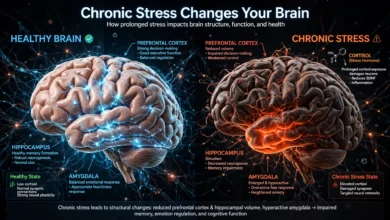
Depression is a listed midlife risk factor, and it can also mimic memory problems, which makes it easy to misread. Chronic stress and low mood make it harder to focus, sleep and stay active, so they can feed early cognitive decline from several directions.
Practical steps include regular exercise, slow breathing, time outdoors, and talking with a friend or counselor. If you have felt low, anxious or flat for more than a couple of weeks, see a professional. Treating depression is a brain-protective step, not just a mood one.
8. Fix Hearing and Vision Problems
This is the one many people skip. Untreated hearing loss accounts for about 7% of dementia risk in the Commission’s estimates, and untreated vision loss for about 2%. When hearing or sight fades, the brain works harder to fill gaps, and people often withdraw from conversation, which adds isolation on top.
If you keep asking people to repeat themselves, turn the TV up, or avoid noisy restaurants, get a hearing test. Get regular eye exams too, and treat problems like cataracts. Hearing aids and corrective lenses are among the easiest wins on this whole list.
9. Limit Alcohol, Avoid Smoking and Protect Your Head
Three more risk factors fall into one category: things to reduce or avoid.
- Alcohol: Excessive drinking harms the brain. Keep intake low, and ask your doctor what is reasonable for you.
- Smoking: It damages blood vessels and lowers oxygen supply to the brain. Quitting helps at any age.
- Head injuries: Wear a helmet when cycling or riding, use seat belts, and reduce fall risks at home with good lighting and no loose rugs.
- Air pollution: Check local air quality, use a good filter indoors when levels are high, and consider skipping outdoor exercise on the worst days.
A Simple Weekly Plan to Protect Your Brain
Trying to change everything at once usually backfires. Neuroscientist Rudolph Tanzi, who developed the SHIELD framework (Sleep, Handle stress, Interact with friends, Exercise, Learn new things, Diet), suggests focusing on one habit per day and letting the rest build over time. Here is one way to do it:
- Week 1: Walk 10 to 15 minutes after dinner and fix your wake-up time.
- Week 2: Add two Mediterranean-style meals and book any overdue checkups for blood pressure, blood sugar or cholesterol.
- Week 3: Schedule one social plan and one new learning activity, like a class or a language app you actually use.
- Week 4: Book hearing and vision tests if you have not had them recently, and add two strength sessions.
After a month, keep what stuck and adjust what did not. The U.S. POINTER results suggest that support and accountability help, so consider doing this with a friend or partner.
Supplements and Brain Games: What to Skip
Many people ask whether a pill or an app can do the job. The honest answer is that the evidence is thin.
Supplements. Large trials of products like ginkgo have not shown that they prevent dementia. If a blood test shows you are low in vitamin B12 or vitamin D, correcting that is worthwhile, because deficiencies can affect thinking. Beyond that, talk to your doctor before buying anything, since some supplements interact with medications.
Brain-training apps. They tend to make you better at the specific game you practice, with limited carryover to everyday memory. Learning a real skill, like a language or an instrument, and staying socially active are better bets.
When to See a Doctor About Early Cognitive Decline
Do not wait if the changes are getting in the way of daily life. See a doctor if you or someone close to you notices:
- Memory problems that are getting worse over months
- Repeated confusion about time, place or familiar people
- New difficulty managing money, medications or household tasks
- Trouble following conversations or finding words
- Noticeable changes in mood, judgment or personality
An evaluation usually includes a conversation about your history, a short cognitive screening test, blood work, and a review of your medications. Sometimes imaging is added. Bringing a family member helps, since they often notice things you do not. Early assessment matters because some causes are treatable, and because treatment and planning work best in the initial stages.
Frequently Asked Questions About Early Cognitive Decline
Can early cognitive decline be reversed?
Sometimes. When it is caused by a treatable condition such as a vitamin deficiency, thyroid problem, depression, sleep apnea or a medication side effect, thinking can improve once the cause is addressed. When it is linked to a progressive condition like Alzheimer’s disease, it usually cannot be reversed, but healthy habits and early care may slow the pace.
What age should I start protecting my brain?
As early as possible, but it is never too late. The Lancet risk factors span the whole life course, from education in childhood to hearing and vision care in later years. Midlife habits like blood pressure control and regular exercise are especially important.
Does a family history mean I will get dementia?
No. A family history raises risk but does not decide the outcome. In the U.S. POINTER trial, cognitive benefits from the lifestyle programs appeared regardless of APOE4 status, the best known genetic risk factor for late-onset Alzheimer’s.
How much exercise do I need?
A common guideline is 150 minutes of moderate activity per week. Any amount above zero helps, so start small and build up.
Conclusion
Early cognitive decline is common enough to take seriously, but it is not something you have to wait around for: the Lancet Commission’s 14 modifiable risk factors and the results of the U.S. POINTER trial both point to the same message, which is that everyday habits shape how well your brain holds up. Move most days, sleep at least seven hours, eat a Mediterranean-style diet, keep blood pressure, blood sugar and cholesterol in range, stay connected to people, keep learning, look after your mood, fix hearing and vision problems, and limit alcohol, smoking, head injuries and air pollution.
Skip the miracle supplements, start with one or two habits, and build from there. If memory or thinking problems begin to interfere with daily life, see a doctor early, because some causes are treatable and earlier answers give you more options.